Meet Ryan Flaxman
- Details
People Behind the Space: CASABELLA
There’s often a story behind a space, but in some cases, the space is the story.
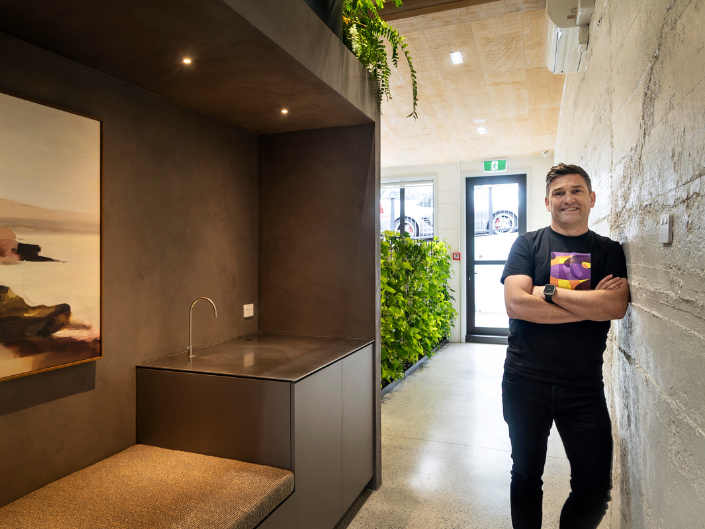
CASABELLA is one of those places. Tucked into a character-filled building in Parnell, it feels considered from the moment you walk in. Every material, detail, and design choice has been carefully thought through, creating a space that feels both elevated and effortless at the same time.
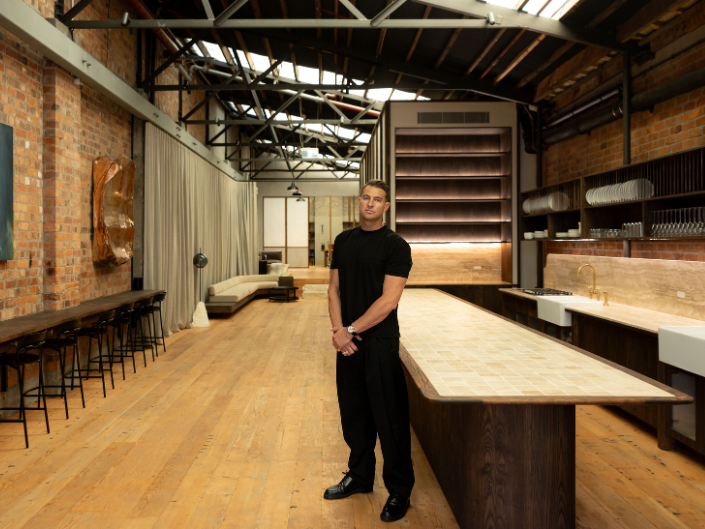
Behind it is Ryan Flaxman, Co-founder of CASABELLA and Business Development Manager at CASA. With a background grounded in relationship-building and design-led construction, Ryan’s work sits at the intersection of architecture, craftsmanship, and experience.
In this People Behind the Space feature, Ryan shares the thinking behind CASABELLA, how it naturally evolved from CASA’s work, and why creating a venue that feels both refined and lived-in was so important to the final outcome.
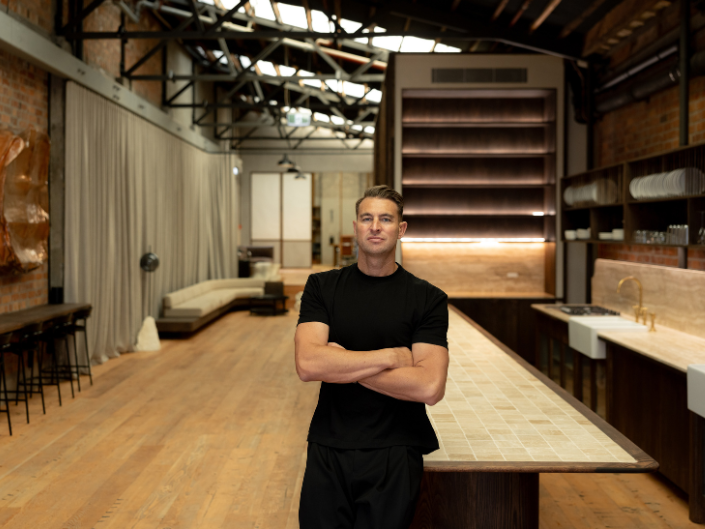
You’re the Co-founder of CASABELLA and Business Development Manager at CASA. Can you tell us a bit about your role and how the two intertwine?
My role across both businesses is focused on building relationships and creating opportunities.
At CASA, I work across business development - connecting with clients, bringing projects together, and helping get things off the ground. We don’t offer in-house design, so we partner closely with designers and architects across our projects.
We operate across residential and commercial, delivering bespoke, detail-driven construction. We’ve built a niche in design-led projects that require precision, craftsmanship, and a strong respect for architectural intent.
We’re known for our approach to value engineering - finding smart, cost-effective solutions without compromising the outcome. A big part of that comes down to buildability and material selection, being deliberate about how things are put together and where the spend goes. It often looks more expensive than it is - it’s really about how you allocate dollars.
CASABELLA sits naturally alongside that. It acts as a showhome for the work we produce, giving people a clear sense of the level of finish and detailing that goes into our projects.
CASABELLA feels like a natural extension of CASA’s work. What sparked the idea to create a venue of your own?
It came from wanting to take things a step further.
When the tenancy came up, it wasn’t something we wanted to pass up. We have a large footprint for a relatively small team; there are only eight of us, so we needed to make it stack.
Positioning the event space at the front allowed us to utilise the square metres more effectively, while also creating something outward-facing and helping supplement the rent through events.
It gave us a place to call home, but also somewhere that naturally reflects what we do and supports the next stage of CASA.
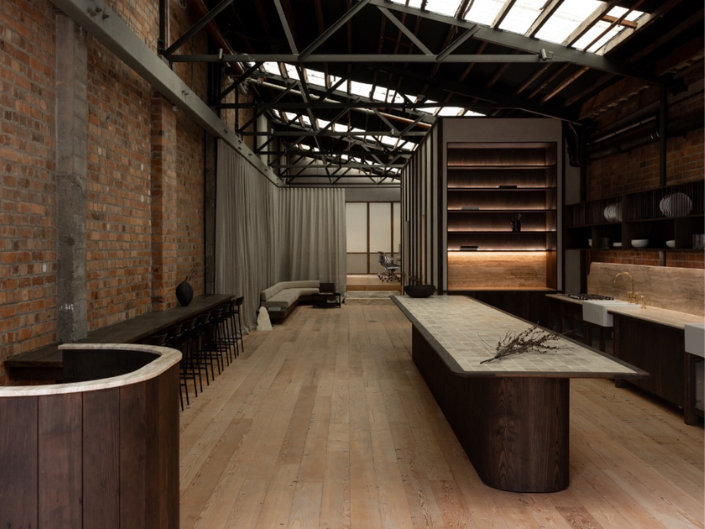
The space sits within a historic Parnell building. What drew you to that location, and how did it influence the final design?
Parnell felt like the right fit straight away. It has a strong design presence and a level of character that aligns with what we’re trying to do.
We had already been in the area, working out of a co-working space in the Textile Lofts across the road, and had frequented the site when it was Red Rabbit in its past life - so there was already a level of familiarity.
The building itself had a lot of integrity - exposed brickwork and trusses running throughout the space, and character you just don’t get in newer buildings. We leaned into those features, using them as the foundation for something that feels layered and quietly refined.
CASA is known for transforming both new and heritage spaces. How did you approach balancing the building’s existing character with a more contemporary design vision?
For us, it was about harnessing the existing character. The bones were perfect as they were, so there was a need not to overdo it.
Working closely with Wonder Group on the design, it was about using materials that made the space feel homely and paid homage to what was already there. Elements like Oamaru limestone, dark-stained timber joinery, and natural textures sit comfortably within the industrial character of the space.
Where we landed was a kind of quiet luxury - nothing overworked, just a space that feels refined, warm, and considered.
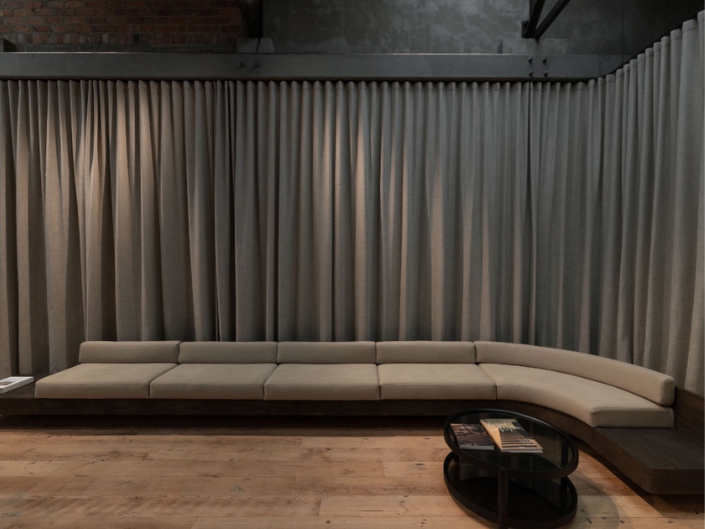
CASABELLA has a very considered, design-led feel. What were some of the key elements you focused on to shape the atmosphere of the space?
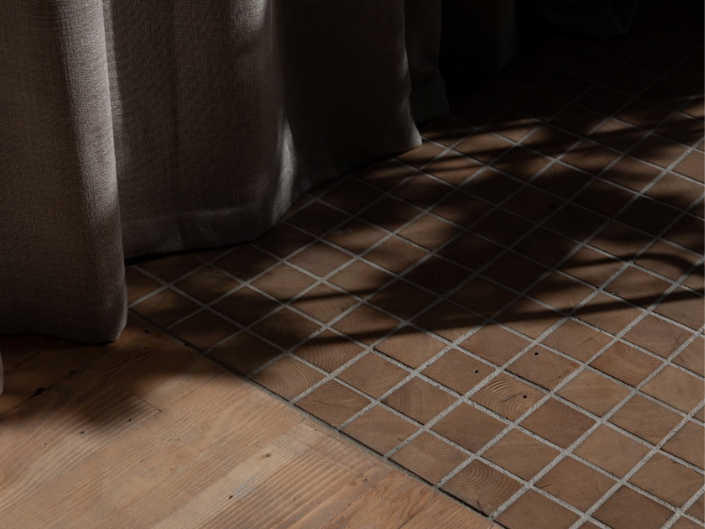
Materiality was a big focus. Throughout the space, we used reclaimed Douglas Fir solid timber flooring with a bandsaw finish, which gives it a more raw quality - people often assume it’s original to the building. Alongside that, travertine bench tops and a consistent palette of natural textures help keep the space feeling warm and grounded.
We also raised the floor toward the end of the space to improve the proportions and subtly separate the office from the event area, with a curtain acting as a soft divider when needed.
The bathrooms were an opportunity to be more expressive. Sitting as a box within the space, we used Ambitec Suave Stone head to toe inside and out to achieve that carved-from-stone look. This was carried out by Surface, our decorative and specialist plaster company.
Flexibility was key as well. A long table on castors and a movable maître d’ station that doubles as a DJ booth allow the space to adapt easily depending on the event.
Lighting ties it all together - it keeps the space intimate while still allowing it to shift depending on how it’s being used.
The venue is positioned for intimate events, private dinners, and brand activations. What types of experiences do you feel work best within the space?
The space works best when there’s a level of intention behind the event. It suits more curated, design-conscious experiences – private dining, product activations, creative photoshoots/filming and of course cocktail parties.
Because it’s not oversized, it naturally creates a more personal atmosphere, which tends to elevate the overall experience.
For brands or clients looking to host something at CASABELLA, what sets it apart from more traditional event venues?
It’s more design-focused from the outset. A lot of venues are built to be neutral, which can sometimes make them feel generic.
CASABELLA already has a strong point of view, so the space does a lot of the heavy lifting. Brands don’t need to overbuild or overstyle to create something impactful.
There’s also the CASA element behind it. Clients aren’t just hiring a venue - they’re working with a team that understands how to execute ideas properly.
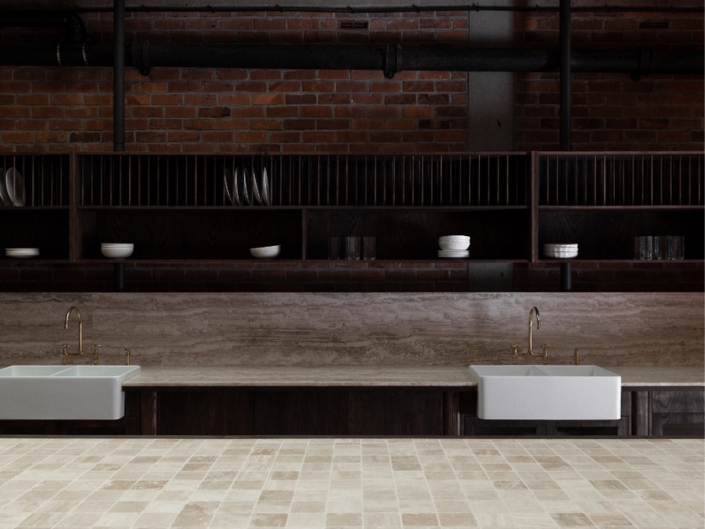
In many ways, CASABELLA acts as a living showroom for CASA. How important was it for the space to reflect your capabilities as a design and construction team?
It was important, but we wanted it to feel like a real, lived-in space rather than a traditional showroom.
It’s more of a working example of what we do. It needed to be our best foot forward and a true reflection of the work we produce out of the back office, in a way that feels real and usable.
Clients can experience the materials, see the detailing up close, and understand how a design-led concept translates into a finished space.
What has been one of the most rewarding moments since opening CASABELLA?
One of the most rewarding moments is realising the space is working exactly as intended.
Seeing different people come through and make it their own, while the space still holds its identity, has been a highlight.
On a personal level, it’s also been a great way to meet people I wouldn’t normally cross paths with and create opportunities to talk about what we do behind the curtain at CASA and Surface.
Looking ahead, what excites you most about the future of CASABELLA and CASA?
For CASABELLA it’s the versatility. It’s been interesting seeing the different ways people use it - from creative work and intimate private gatherings. It’s also something that will continue to evolve as CASA grows.
For CASA, it’s about continuing to grow and refine what we do - taking on more complex, high design intent projects across both residential and commercial, with a particular focus on moving further into residential builds. As we grow, it’s about maintaining that level of detail and craftsmanship while scaling in a way that still feels considered.
On a personal level, I’m just grateful to be part of it. Having skin in the game pushes you to keep improving, and a lot of that growth has been as much personal as it has been professional.
CASABELLA: A Space That Speaks for Itself
CASABELLA is more than just a venue. It’s a reflection of a way of working.
What stands out most is the intention behind it. Nothing feels overdone or unnecessary. Instead, it’s a space that quietly demonstrates what thoughtful design, strong materials, and careful execution can achieve.
For Ryan and the team at CASA, CASABELLA isn’t just a place to host events. It’s a working example of their approach, their standards, and their ability to bring design-led ideas to life in a way that feels both practical and elevated.
As the space continues to evolve and be used in new ways, that balance between function, atmosphere, and design will remain at the centre of what makes it so compelling.
Enjoyed this article? Meet Emma, Amy and Tim from Joll Commons


Similar Blog Posts
-
16 Jun 2026
People Behind the Space: Kauri Bay
-
18 May 2026
People Behind the Space: Basestation
-
06 May 2026
People Behind the Space: Boston Road Colab
-
15 Apr 2026
People Behind the Space: CASABELLA
-
02 Mar 2026
People Behind the Space: Powerhouse