Meet Jack Zarifeh
- Details
People Behind the Space: Powerhouse
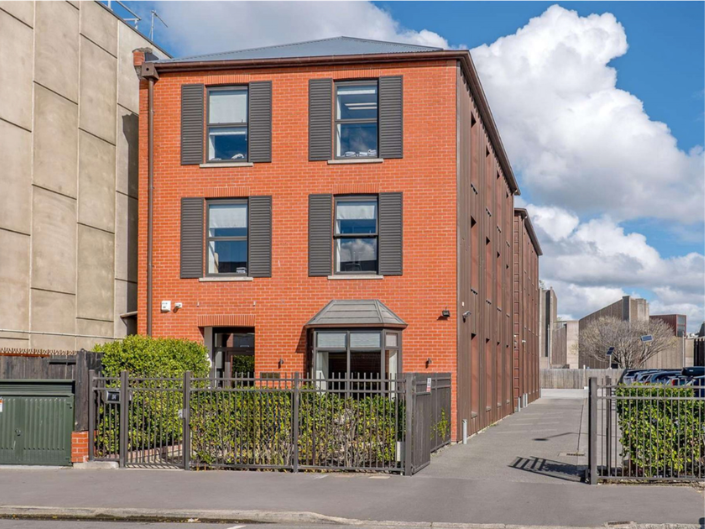
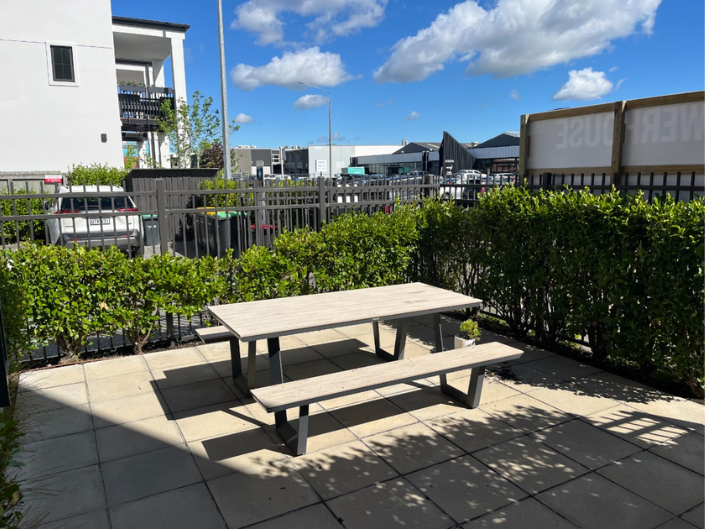
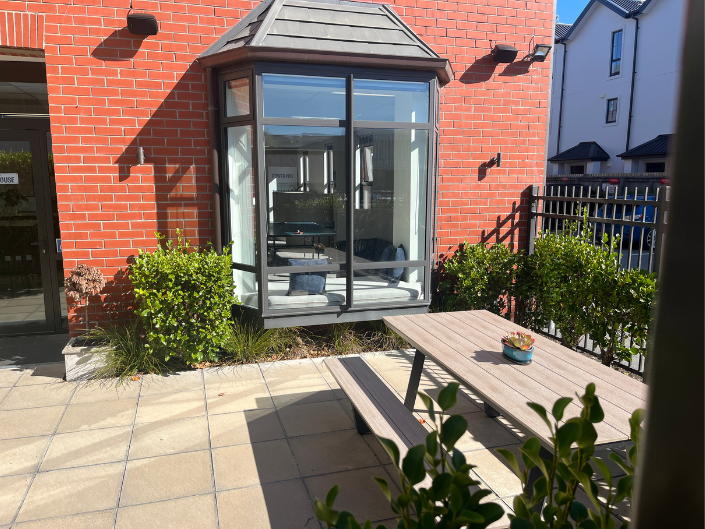
Tucked into the former Strawberry Fare building on Peterborough Street, Powerhouse is a coworking space built for people who actually want to get things done. Founded by mechatronics engineer-turned-entrepreneur, Jack Zarifeh, Powerhouse opened in November 2025 with a simple philosophy: create a space that’s clean, functional, and genuinely welcoming, without the corporate polish or the café compromises.
Spread across three levels with private offices, dedicated desks, and hot desking, it’s quickly become home to a diverse mix of professionals, freelancers, and small businesses in the heart of Christchurch.
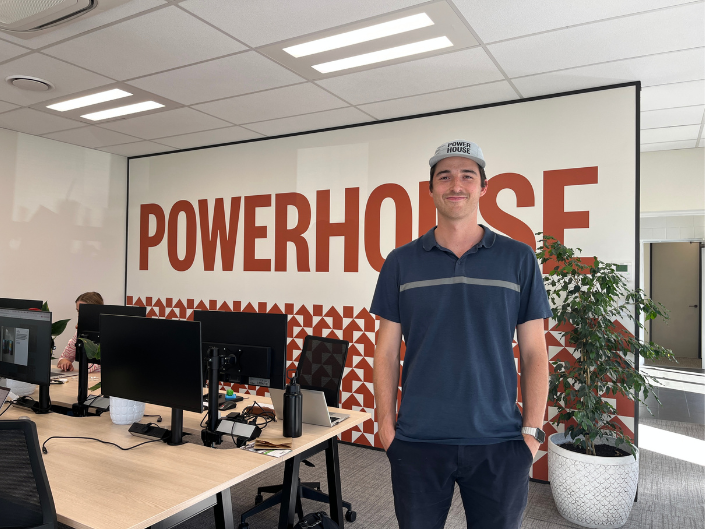
Jack Zarifeh, founder of Powerhouse
What first sparked the idea for Powerhouse, and what made you want to create a coworking space that felt more human and less corporate?
I got a small taste of coworking through my previous role at an agricultural technology startup and immediately loved it — the energy, the people around you, the sense that everyone’s building something. When the opportunity came up to get into the old Strawberry Fare building here in Christchurch, I jumped in headfirst. I didn’t have a background in property or hospitality — I’m a mechatronics engineer by training — but I knew what it felt like to work in a space that just worked, and I knew what it felt like when it didn’t. I wanted to build something that was genuinely welcoming without being try-hard about it. Somewhere, people could do serious work and still feel like themselves.
You’ve got a background in engineering and startups. How has that shaped the way you’ve designed everything, from layout to the invisible details like cabling and Wi-Fi?
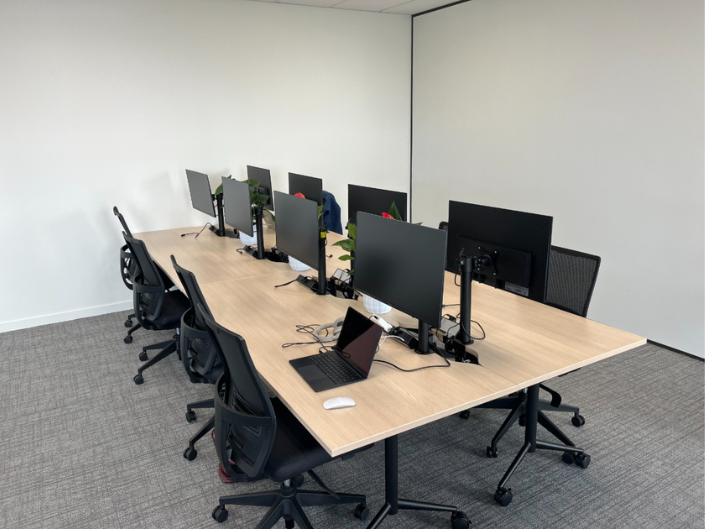
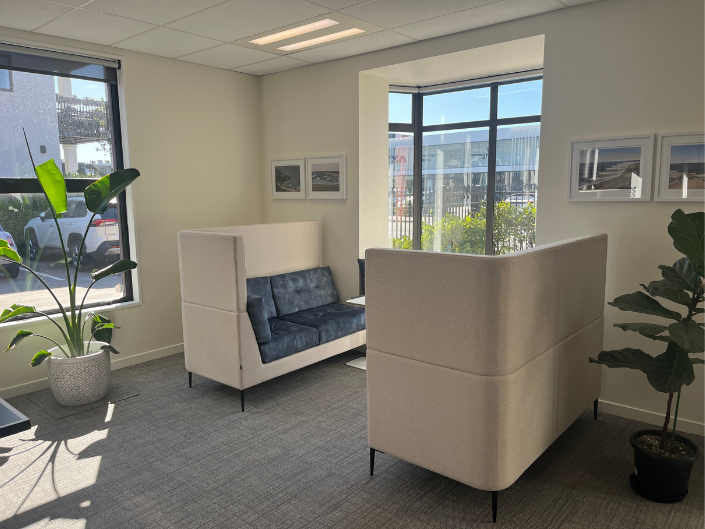
It shows up in the things most people probably don’t notice, which is kind of the point. I’ve obsessed over the monitor setups at every hot desk — each one has a 27-inch screen at eye level so you can plug your laptop in underneath and work with two screens without wrecking your neck. The meeting rooms are completely cable-free, which sounds small but makes a real difference when you’re jumping between calls. The Wi-Fi is rock solid. And the building gets incredible natural light, which I’ve tried to make the most of across all three levels. My engineering brain just naturally goes to those functional details — if the infrastructure is right, people don’t have to think about it. They just get on with their work.
Can you take us back to the early days of transforming the former Strawberry Fare building? What was the moment you realised, “Yep… this is actually happening”?
The building has had a few lives — Strawberry Fare, then a large law firm — so there was a lot of corporate fit-out to strip away. I’ve been ripping out walls, opening up spaces, especially at the front of the building, trying to bring back that sense of openness and character. It’s still a work in progress, honestly — I’m always chipping away at reducing that corporate feel. But I think the moment it felt real was when the first members started showing up, and the space had that buzz of people working, chatting, making coffee. That’s when it stopped being a renovation project and started being a community.
You’ve worked out of cafés, home offices, and borrowed desks. What were the biggest frustrations that influenced how Powerhouse operates today?
Honestly, the physical setup in cafés is terrible for actually working. I’d end up hunched over a laptop on a wobbly table, and my back and neck would be shot by lunchtime. That directly influenced how I set up the hot desking here — proper monitors at the right height, good chairs, a real workstation. Then there’s the Wi-Fi — café Wi-Fi is hit and miss at best. And the noise. Cafés can be loud and unpredictable. At Powerhouse, the vibe is social — the crew are chatty, and we have great conversations — but we also know how to lock in and get work done. There’s an unspoken rhythm to it that just works.
Powerhouse is described as relaxed but professional. How do you create a space that keeps people focused without losing personality?
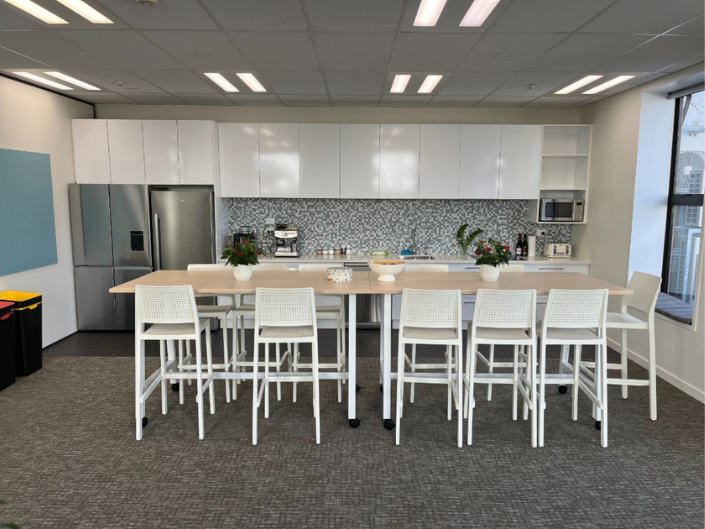
I think it comes down to keeping things clean and functional without making it sterile. I don’t want Powerhouse to feel too fancy or too corporate — I want it to feel like somewhere you genuinely want to be. The fit-out is crisp and tidy, but it’s not cold. There’s good natural light, good coffee, and I regularly bake for the members, which always gets people talking. The personality comes from the people more than the décor. When you get the right mix of driven, down-to-earth people in a room together, the culture kind of takes care of itself.
Being independently run is a big part of the story. How does having a direct connection with members shape the culture of the space?
It shapes everything. I’m here every day, I know everyone by name, and if something’s not working, I hear about it immediately and can actually fix it. There’s no head office, no ticket system, no “we’ll pass that on to the team.” It’s just me. That means decisions happen fast, the space evolves based on what members actually need, and people feel like they have a genuine stake in the place. I think that’s hard to replicate at scale, and it’s one of the biggest advantages of being independent.
What kinds of people or businesses tend to feel most at home at Powerhouse, and what do you think draws them in?
We’ve got a really interesting mix. Upstairs tends to attract more established professional services — financial services, land planning, real estate — while downstairs is where you’ll find more freelancers and solo entrepreneurs. But the beauty of it is that everyone comes together for shared events and in the communal spaces. We’ve got a service provider who works with several of the financial tenants, and an AI consultant who’s ended up helping people across the whole building. Those organic connections are what make coworking actually work. The people who feel most at home here are the ones who are serious about their work but don’t take themselves too seriously.
From a founder’s perspective, what’s one small detail most people wouldn’t notice that actually makes a huge difference to the daily experience?
The monitor setups on the hot desks. It sounds mundane, but having a proper 27-inch monitor at eye level with your laptop sitting underneath completely changes how you work. You go from hunching over a laptop screen to having a real two-screen workstation in seconds. I set it up that way because I’d spent enough time destroying my posture in cafés to know it matters. Most people don’t think about it until they sit down and realise how much better it feels. That’s the engineering brain at work — solving a problem before people know they have it.
If you could have any three people working from Powerhouse for a day — entrepreneurs, creatives, or thinkers — who would they be and why?
Stanley Henry — he’s got this infectious creative energy, and I think he’d have the whole floor buzzing within about ten minutes. He’s the kind of person who’d make everyone’s day more interesting just by being in the room.
Hannah Hardy-Jones and Lucy Pink from Contented — they’re building something really exciting in the AI and content space right here in Christchurch, and I’d love to have them downstairs with the entrepreneurs. They’re young Christchurch founders smashing it in AI and content, and that kind of energy is exactly what Powerhouse is about.
And Max Ferguson from Lumin — he’s a UC engineering grad like me who built a global tech company with over 100 million users from his bedroom in Christchurch, bootstrapped it without outside capital, and kept the headquarters here. That’s the kind of person I’d want to sit down with over a coffee and just ask a thousand questions. He’s proof that you can build something world-class from this city.
Looking ahead, how do you see Powerhouse evolving as Christchurch’s coworking scene continues to grow?
The immediate next step is expanding into the final floor of the building this year, which is exciting. That’ll let us add some new types of spaces that I think the members are going to love — I’m keeping the details under wraps for now. Beyond that, I want Powerhouse to keep doing what it does well: being a space that’s genuinely useful, genuinely welcoming, and run by someone who actually cares. Christchurch’s coworking scene is growing, and I think there’s room for everyone. The big operators do their thing. Our advantage is that we’re small, we’re nimble, and we’re personal. I don’t think that changes as we grow — in fact, I’m determined that it won’t.
Powerhouse Coworking: More Than Just a Workspace
At its core, Powerhouse reflects Jack Zarifeh’s belief that a great workspace doesn’t need to be flashy — it needs to work. His engineering mindset, hands-on approach, and genuine care for the people who walk through the door have created a coworking space with real substance and personality. As Powerhouse grows into its next chapter, it remains grounded in the same simple idea: build something functional, keep it human, and bake for the people.
Enjoyed this article? Meet Emma, Amy and Tim from Joll Commons


Similar Blog Posts
-
16 Jun 2026
People Behind the Space: Kauri Bay
-
18 May 2026
People Behind the Space: Basestation
-
06 May 2026
People Behind the Space: Boston Road Colab
-
15 Apr 2026
People Behind the Space: CASABELLA
-
02 Mar 2026
People Behind the Space: Powerhouse