How to Find a Workspace That Fits Your Team Culture
- Details
Creative, Flexible and Inspiring Venues for Strategy Days, Team Sessions and Corporate Workshops
Finding a workspace used to be mostly about practicality. Enough desks, a decent location, reliable internet, and maybe a meeting room or two.
Now, it’s a very different conversation.
In today’s workplace, the office plays a much bigger role in shaping how teams feel, collaborate, and connect. With hybrid work becoming the norm, people are no longer coming into the office simply because they have to; they’re coming in for focus, energy, interaction, and experience. That means the workspace itself needs to support the kind of culture a business is trying to build.
The right space can strengthen collaboration, improve morale, and genuinely help teams work better together. The wrong one can quietly create friction, disconnect, and disengagement.
Whether you’re searching for a coworking space, private office, studio, or headquarters, here’s how to find a workspace that actually fits your team culture.
Key Takeaways
- The right workshop venue can improve collaboration, focus, and team engagement
- Natural light, flexibility, and atmosphere play a major role in productive workshops
- Auckland offers everything from CBD venues to coastal retreats and nature-based spaces
- Hospitality, breakout areas, and AV support can significantly improve the experience
- Different workshop styles benefit from different types of environments
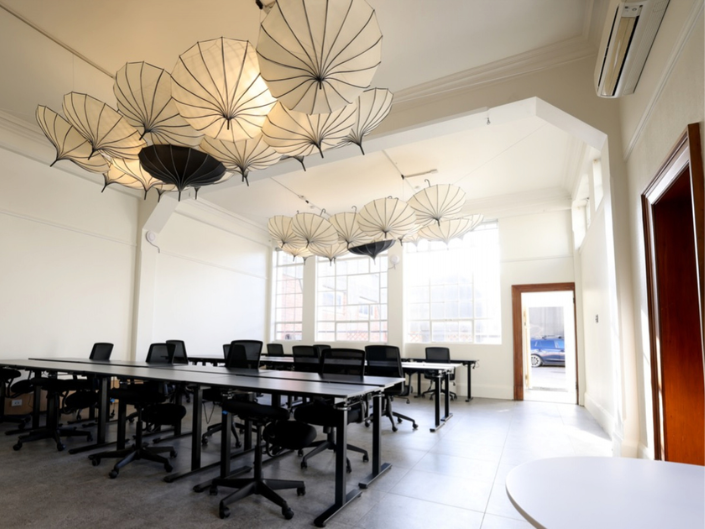
Why Workspace Matters More Than It Used To
For a long time, offices were treated mainly as functional spaces.
But the shift towards hybrid work has changed expectations significantly. Teams now want environments that feel:
- Comfortable
- Inspiring
- Flexible
- Collaborative
- Worth commuting for
People are more aware of how physical spaces affect:
- Mood
- Energy
- Communication
- Creativity
- Focus
- Wellbeing
And because businesses are competing harder for talent and retention, workspace has become part of the broader employee experience.
A good office doesn’t just house a team. It supports how that team works best.
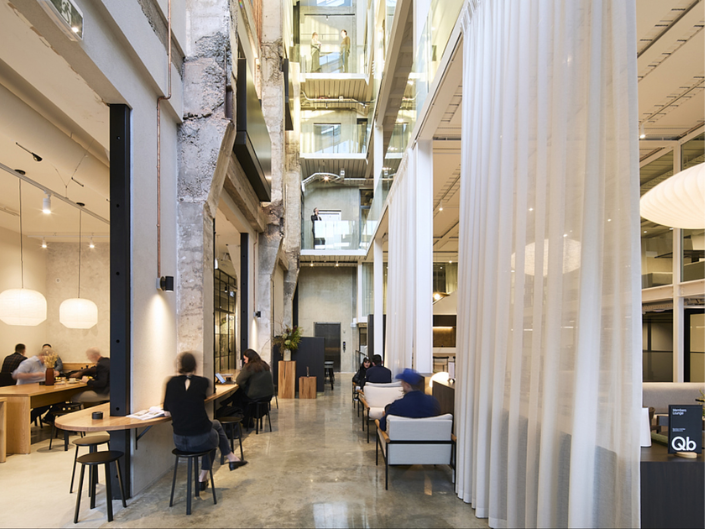
Qb Studios High Street | Christchurch
How to Find a Workspace That Fits Your Team Culture
1. Start With How Your Team Actually Works
Before looking at spaces, look at your people.
Ask questions like:
- Does the team collaborate constantly or mostly work independently?
- Are people client-facing?
- Is quiet focus important?
- Does the team spend time together socially?
- How often is everyone in the office?
A highly collaborative creative team will likely need something very different from a small consulting business or remote-first startup. The best workspace decisions are grounded in real working habits, not aspirational ones.
2. Think Beyond Desks and Square Metres
A workspace is more than floorplan math.
Things like:
- Natural light
- Ceiling height
- Acoustics
- Breakout areas
- Kitchen spaces
- Lounge seating
- Meeting room flow
All contribute to how people experience a space day to day.
Sometimes a smaller, thoughtfully designed office feels significantly better than a large but uninspiring one. Atmosphere matters.
3. Match the Space to Your Team Personality
Different teams thrive in different environments.
For example:
- Creative agencies may prefer design-led, open, and social spaces
- Professional services firms may prioritise privacy and meeting rooms
- Startups often value flexibility and community
- Hybrid teams usually benefit from collaboration-focused layouts
The goal isn’t choosing the “best” workspace overall — it’s choosing the one that feels aligned with your team.
4. Prioritise Flexibility
The way businesses work continues to evolve quickly.
Flexible workspaces can help businesses adapt more easily by offering:
- Shorter lease terms
- Scalability
- Shared amenities
- Meeting room access
- Hybrid-friendly setups
For growing businesses, especially, flexibility often creates less pressure and more room to evolve naturally.
5. Consider the Commute and Location Experience
People are far more selective about commuting now. A workspace location should feel convenient and appealing, not draining.
Things that genuinely matter:
- Public transport access
- Parking
- Nearby cafes and hospitality
- Walkability
- End-of-trip facilities
- Surrounding energy and atmosphere
The surrounding neighbourhood becomes part of the workplace experience too.
6. Don’t Underestimate Shared Spaces
Some of the strongest workplace culture happens outside formal desks.
Shared kitchens, lounges, breakout areas, and communal tables often become the places where:
- Ideas happen naturally
- Relationships build
- Collaboration feels easier
- Teams decompress
These softer spaces are increasingly important in hybrid work environments.
7. Visit the Space in Person
Photos help, but visiting matters.
Pay attention to:
- Noise levels
- Lighting throughout the day
- How people interact in the space
- General energy and atmosphere
- Whether it feels comfortable to spend time there
Sometimes a technically perfect office just doesn’t feel right in person. That instinct matters more than people think.
8. Ask Whether People Will Actually Want to Be There
This is probably the biggest question now.
Does the space:
- Encourage connection?
- Feel inspiring?
- Make collaboration easier?
- Support wellbeing?
- Offer a better experience than working from home?
The best workspaces make people want to come in, not because they’re forced to, but because the environment genuinely improves the workday.
Signs a Workspace Is a Good Fit
- The team naturally feels comfortable in the space
- There’s a balance between collaboration and focus
- The location supports daily routines
- People want to spend time there
- The environment reflects the company’s personality and values
Common Mistakes Businesses Make
- Choosing based purely on price or size
- Prioritising aesthetics over functionality
- Ignoring hybrid work patterns
- Underestimating the importance of shared spaces
- Locking into inflexible long-term leases too early
- Choosing a space leadership likes rather than the wider team
FAQs
What makes a good modern workspace?
A good workspace balances functionality, flexibility, comfort, and atmosphere while supporting how teams actually work today.
Why is workspace important for company culture?
The physical environment influences communication, collaboration, morale, and overall employee experience.
Are coworking spaces good for team culture?
They can be, especially for hybrid teams, startups, and businesses wanting flexibility and community.
What should businesses look for in a hybrid workspace?
Collaboration areas, meeting rooms, flexibility, good technology setup, and spaces people genuinely enjoy spending time in.
How important is office design?
Very. Lighting, layout, acoustics, and overall atmosphere all affect productivity and well-being.
The Best Workspace Feels Like an Extension of Your Team
The right workspace doesn’t just support productivity — it supports people.
When a space reflects how a team works, communicates, and connects, everything tends to feel easier. Collaboration improves, people enjoy coming in more, and the workplace becomes something more meaningful than simply a place to sit with a laptop.
And increasingly, that’s exactly what businesses are looking for.
Enjoyed this article? Discover The Best Boardrooms in NZ


Similar Blog Posts
-
02 Jun 2026
Creative and Inspiring Venues for Strategy Days and Corporate Workshops
-
26 May 2026
Creative, Flexible and Inspiring Venues for Strategy Days, Team Sessions and Corporate Workshops
-
26 May 2026
Premium Meeting, Conference and Event Venues
-
22 May 2026
A Smarter Approach to Creating Photos, Videos, Social Content, and Marketing Assets in One Shoot
-

15 May 2026
From Flexible Offices to Content Shoots and Corporate Events, Businesses Are Using Space...