Why Flexibility Is the Most Valuable Feature in 2026
- Details
How Adaptable Workspaces are Helping Businesses Navigate Uncertainty
Right now, flexibility isn’t a nice-to-have. It’s become one of the most important factors in how businesses operate.
Between rising costs, shifting work patterns, and ongoing uncertainty around how teams want to work, more businesses are rethinking what they actually need from a space. Long leases, fixed setups, and rigid office structures don’t always make sense in the same way they used to.
Instead, there’s a growing move toward spaces that can adapt. Whether that’s coworking memberships, short-term office solutions, bookable meeting rooms, or multi-use venues, flexibility is giving businesses room to adjust without overcommitting.
In 2026, it’s not just about where you work. It’s about how easily that space can change with you.
Key Takeaways
- Flexibility has become one of the most valuable features in a workspace in 2026
- Businesses are prioritising short-term, adaptable space solutions over long-term commitments
- Coworking, hybrid offices, and on-demand meeting spaces are seeing increased demand
- Flexible spaces help reduce overheads and respond to changing team needs
- Accessibility, cost of travel, and team preferences are shaping how space is used
Why Flexibility Matters More Than Ever
There’s been a noticeable shift in how businesses think about space.
Instead of locking into one setup, many are now asking:
- Do we need this full-time?
- Can this space change as we grow?
- Is there a more efficient way to use space?
Flexibility answers all of those questions.
It allows businesses to scale up or down, adjust how often they use a space, and avoid committing to something that may not fit in six or twelve months’ time.
The Rise of Hybrid Workspaces
Hybrid work has changed expectations around the office.
For many teams, the office is no longer a place people go every day. It’s somewhere they come together for specific reasons, such as collaboration, meetings, or team connection.
This has led to increased demand for:
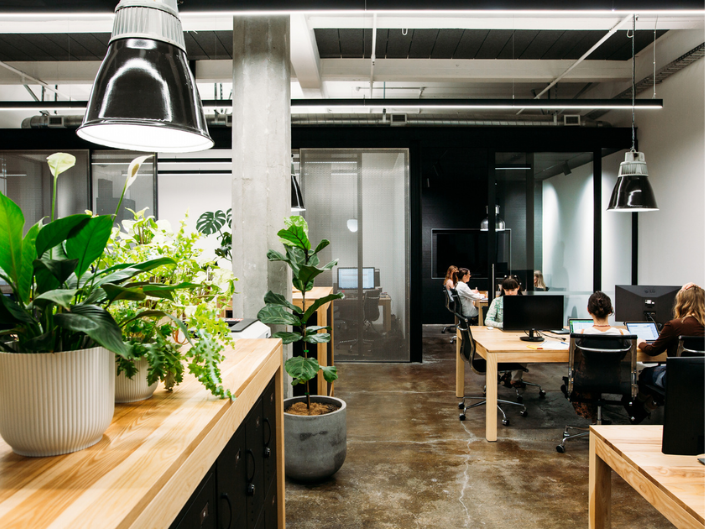
- coworking spaces
- flexible office suites
- hot desks and part-time setups
These options give businesses a physical base without the cost or rigidity of a traditional lease.

Cost Pressures Are Driving Smarter Decisions
Operating costs are a real consideration for most businesses right now.
Between rent, utilities, and the cost of getting teams into a central location, maintaining a full-time office can quickly add up. Flexibility helps ease that pressure.
Instead of paying for space that isn’t always used, businesses can:
- book meeting rooms when needed
- use coworking a few days a week
- hire event or workshop space as required
It’s a more efficient way to manage both space and spend.
Flexibility Improves Accessibility
Location is still important, but how often people need to travel has changed.
With flexible options, teams can:
- work closer to home
- choose locations that suit specific meetings or events
- reduce unnecessary commuting
This not only saves time and cost, but also makes it easier for people to show up when it matters.

Spaces Are Being Used More Creatively
Another benefit of flexibility is how it opens up different ways of using space.
A single business might now use:
- a coworking space for day-to-day work
- a meeting room for client presentations
- an event venue for team days or launches
Instead of one space trying to do everything, businesses are choosing the right space for each purpose.
Why Flexible Spaces Work Better Long-Term
What makes flexibility so valuable is that it reduces risk.
Rather than locking into something fixed, businesses can:
- test what works
- adjust as their team changes
- respond to shifts in demand
It creates a more resilient way of operating, where space supports the business rather than limiting it.
FAQs About Flexible Workspaces in 2026
What is a flexible workspace?
A flexible workspace is any space that can be used on a short-term or adaptable basis, including coworking spaces, serviced offices, and bookable meeting or event spaces.
Why are flexible workspaces becoming more popular?
They allow businesses to reduce costs, adapt to changing team needs, and avoid long-term commitments that may not suit future requirements.
Are flexible workspaces suitable for all businesses?
They work particularly well for small to mid-sized teams, growing businesses, and companies with hybrid work models, but can be adapted to suit a wide range of needs.
Do flexible spaces replace traditional offices?
Not always. Many businesses use a mix of both, combining a smaller core office with flexible spaces as needed.
How do flexible spaces support hybrid work?
They give teams the option to come together when needed, without requiring a full-time office setup.
A More Practical Way to Use Space: Flexibility That Works With You
In 2026, flexibility isn’t just about convenience. It’s about making smarter, more sustainable decisions around how space is used.
Businesses are no longer trying to make one space do everything. Instead, they’re choosing spaces that fit specific needs, at the right time, without unnecessary commitment.
Whether it’s coworking, meeting rooms, or event venues, flexible options are helping businesses stay agile, reduce pressure, and focus on what actually matters.
And right now, that kind of adaptability is one of the most valuable things a space can offer.
Enjoyed this article? Read Why Are Coworking Spaces So Popular?


Similar Blog Posts
-
02 Jun 2026
Creative and Inspiring Venues for Strategy Days and Corporate Workshops
-
26 May 2026
Creative, Flexible and Inspiring Venues for Strategy Days, Team Sessions and Corporate Workshops
-
22 May 2026
A Smarter Approach to Creating Photos, Videos, Social Content, and Marketing Assets in One Shoot
-

15 May 2026
From Flexible Offices to Content Shoots and Corporate Events, Businesses Are Using Space...
-

11 May 2026
From Waterfront Venues to Countryside Escapes, Here’s Where Different Types of Events Work Best