How to Plan a Seamless Corporate Event in Winter
- Details
A Practical Guide to Hosting Memorable Business Events During Winter
Planning a corporate event in winter comes with its own set of considerations, but when done well, it can actually be one of the best times of year to host.
Think warm, inviting venues, great food and drink, a more focused atmosphere, and fewer distractions competing for your guests’ attention. Whether you’re organising a team celebration, client event, product launch, workshop, or conference, winter offers the opportunity to create something that feels a little more intentional.
The key is planning ahead and choosing the right elements, from venue and timing to logistics and guest experience. Here’s how to plan a seamless corporate event in winter.
Key Takeaways
- Choose a venue that prioritises warmth, lighting, and indoor comfort
- Allow extra time for travel, arrivals, and weather-related delays
- Lean into food, beverage, and atmosphere to elevate the experience
- Keep logistics simple with central locations and strong venue support
- Plan for flexibility in case of weather changes or last-minute adjustments
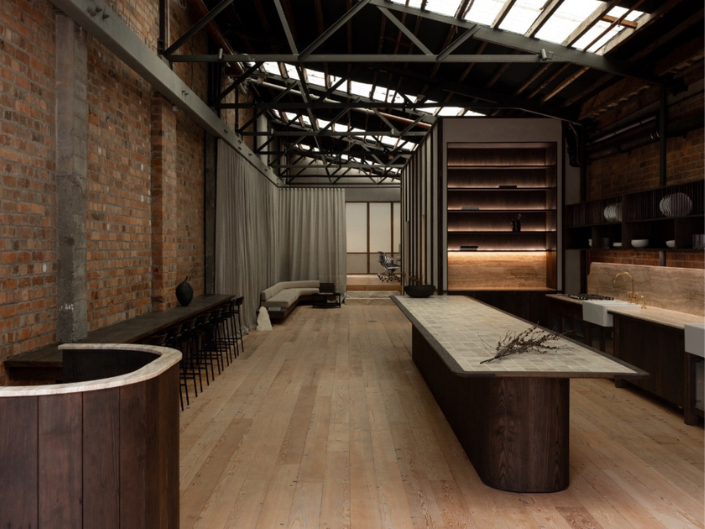
CASABELLA | Parnell
Why Winter Can Be a Great Time for Corporate Events
Winter often gets overlooked for events, but it has a few key advantages.
There’s generally less competition for venues, guests are more likely to attend (fewer holidays and long weekends), and the overall tone tends to be more focused. It’s also a great time for team connection, mid-year resets, and client engagement.
Most importantly, winter events naturally lend themselves to cosy, well-designed spaces and strong hospitality experiences, which often makes them more memorable.
How to Plan a Seamless Corporate Event in Winter
1. Start With the Right Venue
Your venue choice matters even more in winter than it does in summer.
Look for spaces that feel:
- Warm and well-heated
- Comfortable and inviting
- Designed with good lighting (natural or ambient)
- Flexible enough to adapt if needed
Indoor-focused venues are key, but it’s also worth considering spaces that offer covered outdoor areas, fireplaces, or strong interior styling.
Venues with in-house support (staff, catering, AV) will make your life significantly easier, especially when dealing with tighter timelines or weather variables.
2. Prioritise Guest Comfort
If guests aren’t comfortable, the event won’t land, simple as that.
Think about:
- Heating and ventilation
- Seating options
- Coat storage or cloakrooms
- Ease of movement within the space
Small details go a long way in winter. A warm, well-set-up environment immediately puts people at ease and sets the tone for the entire event.
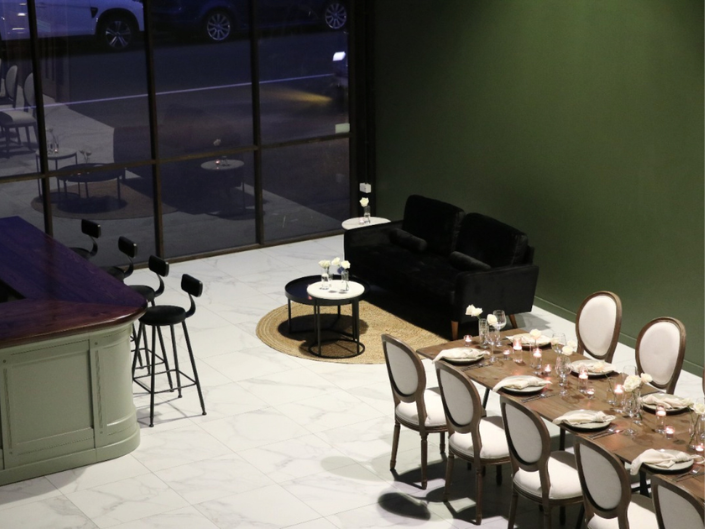
Venue 105 | Christchurch
3. Choose the Right Time of Day
Winter days are shorter, so timing matters.
Consider:
- Starting slightly earlier to make the most of daylight
- Leaning into evening events with good lighting and atmosphere
- Avoiding very late finishes if guests need to travel
For corporate events, late afternoon into early evening often works best; it feels intentional without being too demanding on guests.
4. Make Food and Drink a Focus
Winter events are made for good food and drink.
Instead of treating catering as a secondary detail, make it part of the experience:
- Warm, seasonal menus
- Shared-style dining or grazing tables
- Drinks on arrival (mulled wine, cocktails, good coffee)
Venues with strong hospitality offerings tend to shine in winter because they create a more immersive, enjoyable experience for guests.
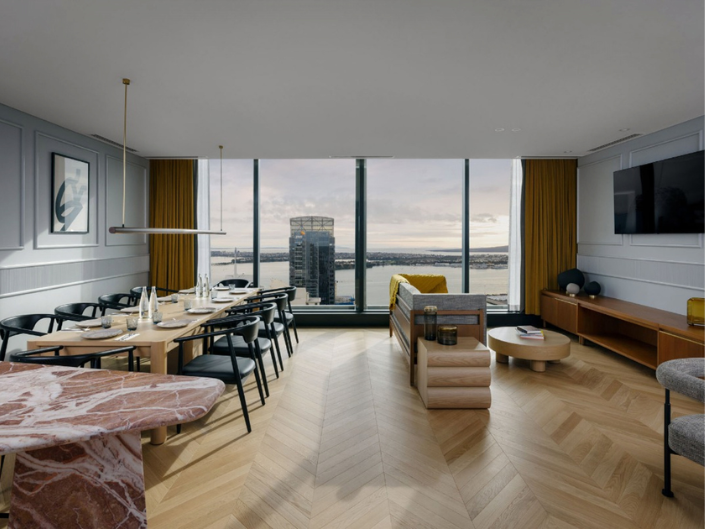
VOCO | Auckland
5. Simplify Logistics
Winter isn’t the time to overcomplicate things.
Choose venues that are:
- Easy to find
- Close to public transport or parking
- Near accommodation if guests are travelling
Where possible, keep everything in one place: venue, catering, AV, and event support. The fewer moving parts, the smoother the day will run.
6. Plan for the Weather (Without Overthinking It)
You don’t need to over-engineer it, but you do need a backup plan.
Consider:
- Covered entry points or sheltered areas
- Clear communication with guests about location and timing
- Allowing a bit of buffer time for arrivals
A simple “wet weather plan” is usually enough to keep things running smoothly.
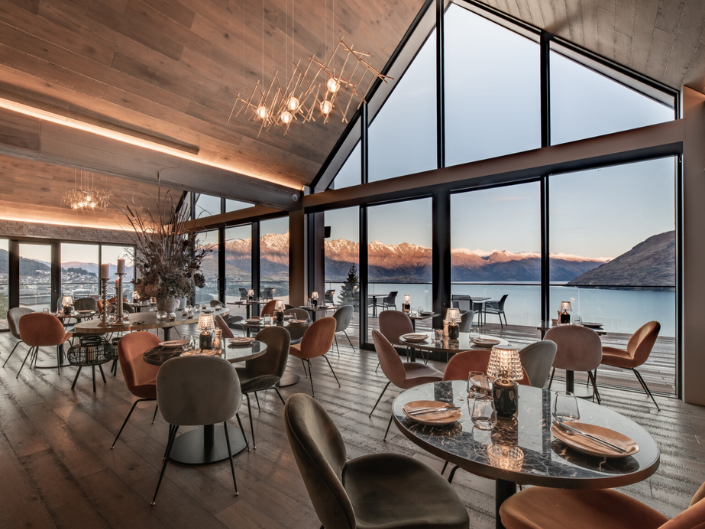
Kamana Lake House | Queenstown
7. Focus on Flow and Experience
A seamless event isn’t just about logistics, it’s about how it feels.
Think about:
- How guests arrive and are welcomed
- How the event moves from one moment to the next
- Whether there’s space for both interaction and downtime
Winter events tend to work best when they feel intentional, well-paced, and comfortable, rather than overly structured or rushed.
8. Work With the Right Venue Team
A great venue team can make a huge difference.
Look for venues that:
- Are responsive and experienced
- Offer clear communication
- Provide support with setup, timing, and coordination
Especially in winter, having a team that’s done it all before gives you peace of mind.
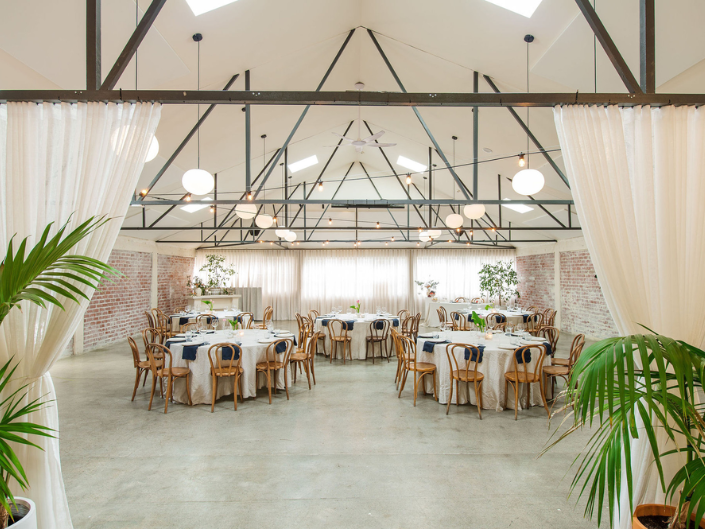
Whisky & Wood | Wellington
Common Mistakes to Avoid
- Choosing a space that feels cold or under-lit
- Overloading the schedule with too many formal elements
- Underestimating travel time or weather delays
- Skipping over catering or treating it as an afterthought
- Trying to manage too many suppliers instead of simplifying
How to Choose the Right Mid-Year Event Venue
1. Prioritise Atmosphere
Winter events rely more on lighting, layout, and overall feel than outdoor space.
2. Think About Comfort
Heating, seating, and flow are key to keeping guests relaxed and engaged.
3. Lean Into Food & Beverage
Venues with strong catering or hospitality offerings tend to perform best in colder months.
4. Consider Event Format
Is it a sit-down dinner, cocktail event, workshop, or celebration? The venue should match.
5. Make It Easy for Guests
Central locations, parking, and accommodation options all improve the experience.
Corporate Winter Event FAQs
What are the best venues for mid-year events in NZ?
Some standout options include Whisky & Wood, The Hermitage Hotel, Glasshouse, Non Solo, Blush, Venue 105, and Old St Paul’s, depending on your event style and size.
What makes a good winter event venue?
A good winter venue offers warm interiors, strong lighting, comfortable layouts, and good catering options.
Are restaurants good for mid-year events?
Yes, venues like Non Solo and Loretta are perfect for winter events as they create a strong food-led experience.
What types of events work well mid-year?
Corporate functions, team celebrations, product launches, weddings, dinners, and workshops all work well in winter.
Are there affordable mid-year event venues?
Yes, options like Venue 105 offer flexible pricing models, including minimum spend rather than hire fees.
Planning a Mid-Year Event? Start With the Right Space
Mid-year events are an opportunity to create something that feels a little more intentional, a little more atmospheric, and often a lot more memorable.
Whether you’re planning something small and intimate or a larger-scale function, the right venue will shape how the entire event feels.
And with so many great options across New Zealand, it’s easier than ever to find a space that fits.
Enjoyed this article? Discover Unique Wellington Event Venues.


Similar Blog Posts
-
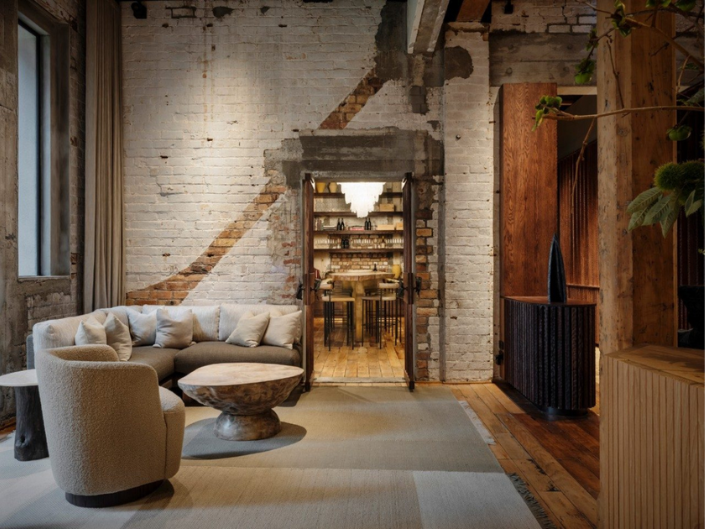
02 Jun 2026
Creative and Inspiring Venues for Strategy Days and Corporate Workshops
-
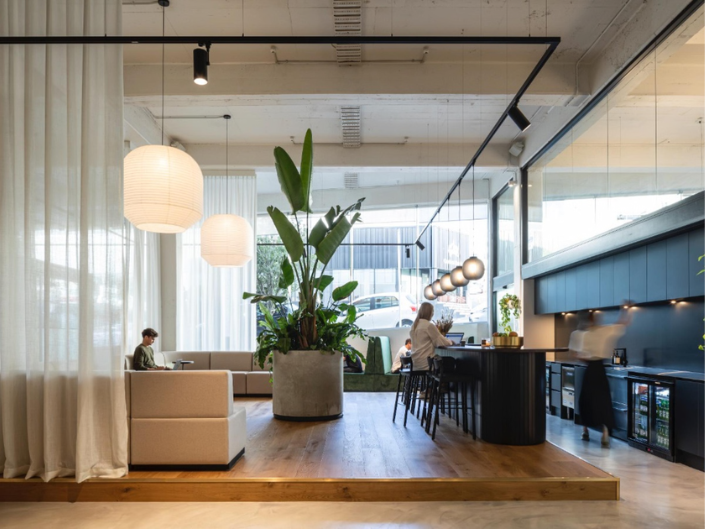
26 May 2026
Creative, Flexible and Inspiring Venues for Strategy Days, Team Sessions and Corporate Workshops
-
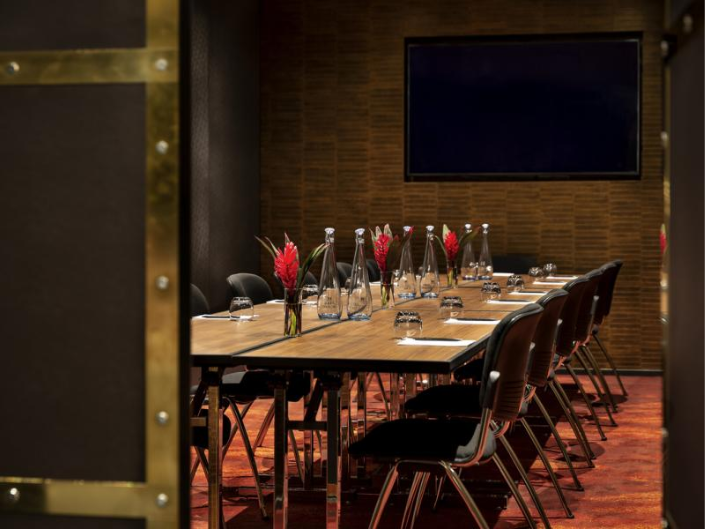
26 May 2026
Premium Meeting, Conference and Event Venues
-
22 May 2026
A Smarter Approach to Creating Photos, Videos, Social Content, and Marketing Assets in One Shoot
-

15 May 2026
From Flexible Offices to Content Shoots and Corporate Events, Businesses Are Using Space...