Why Coworking Is Here to Stay
- Details
Discover How Coworking Spaces are Reshaping the Workplace
The way we work has changed, and it is not going back. Traditional office models are giving way to more flexible, people-first environments that better reflect how modern professionals and businesses operate. Remote work, freelancing, and hybrid models are no longer trends. They are now part of everyday working life. Coworking spaces have emerged as a natural response to this shift. Offering flexibility, connection, and well-designed environments, they are quickly becoming a long-term solution rather than a temporary alternative.
-
-
-
-
-
-
-
- Key Takeaways
- Coworking supports the shift towards hybrid and flexible work models
- It offers cost-effective, scalable alternatives to traditional office leases
- Community and collaboration are central to its long-term appeal
- Purpose-built environments improve productivity and well-being
- Technology is enhancing the coworking experience - - Coworking is evolving alongside the future of work, not reacting to it
- Sustainability and shared resources align with modern business values
- Key Takeaways
-
-
-
-
-
-
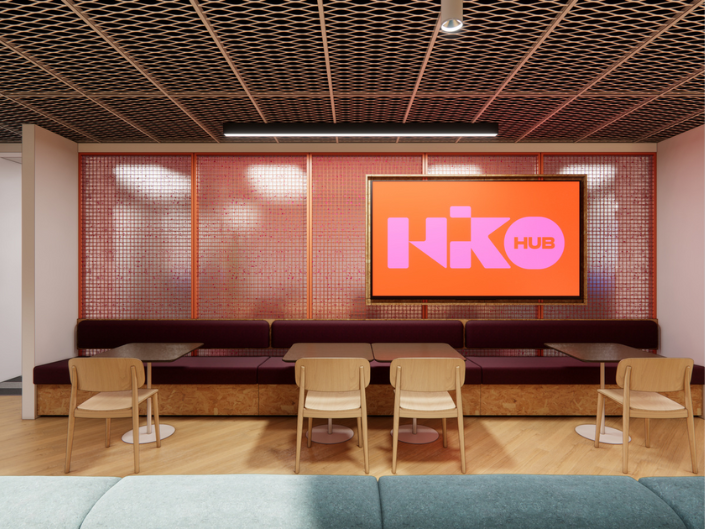
Hiko Hub | Hamilton
1. Flexibility Is Now Expected, Not Optional
One of the biggest reasons coworking is here to stay is the demand for flexibility.
Businesses are moving away from long-term leases, and employees want more control over where and how they work. Coworking spaces provide a middle ground between home and office, offering structure without rigidity.
Whether it is a hot desk, dedicated desk, or private office, the ability to scale up or down makes coworking a practical solution for businesses at every stage.
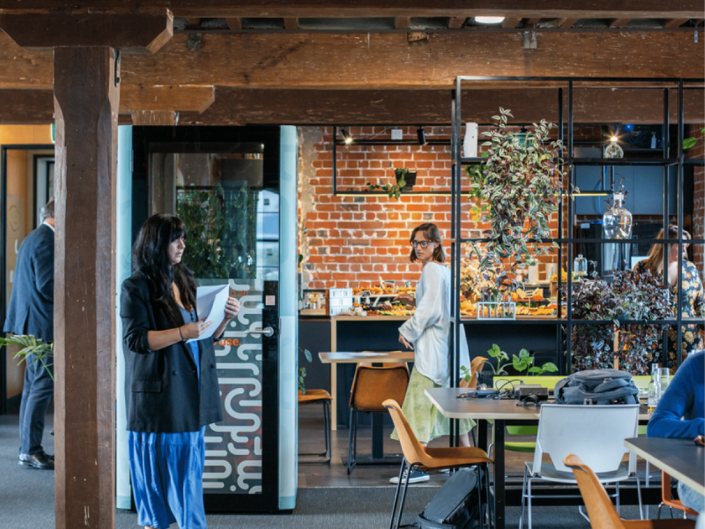
Millworks Coworking | Christchurch
2. Hybrid Work Has Redefined the Workplace
Hybrid work is no longer an experiment. It is the new standard.
Many teams now split their time between home and a professional workspace. Coworking spaces support this model by providing accessible, well-equipped environments that teams can use as needed.
This flexibility helps businesses maintain productivity and culture without requiring a full-time office.
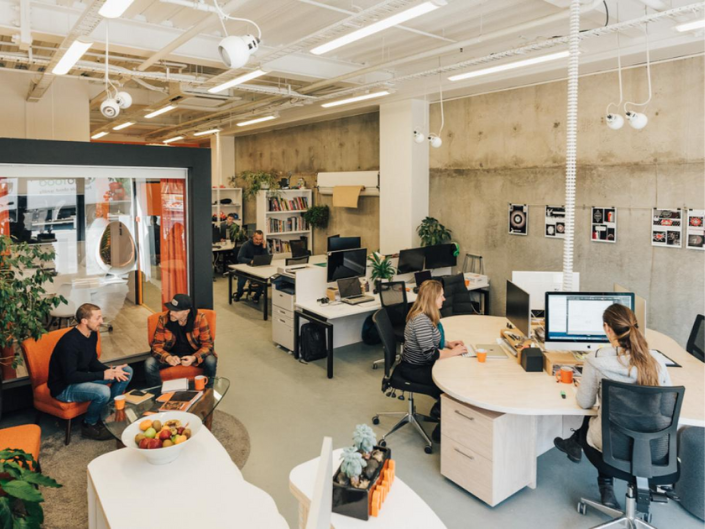
Fluid ShareSpace | Queenstown
3. A Smarter, More Cost-Effective Approach
Coworking offers a more efficient way to manage workspace costs.
Instead of committing to long leases and fixed overheads, businesses can access everything they need through a single membership. This includes internet, meeting rooms, utilities, and shared facilities.
For startups, small teams, and even larger organisations, this flexibility reduces risk and improves financial efficiency.
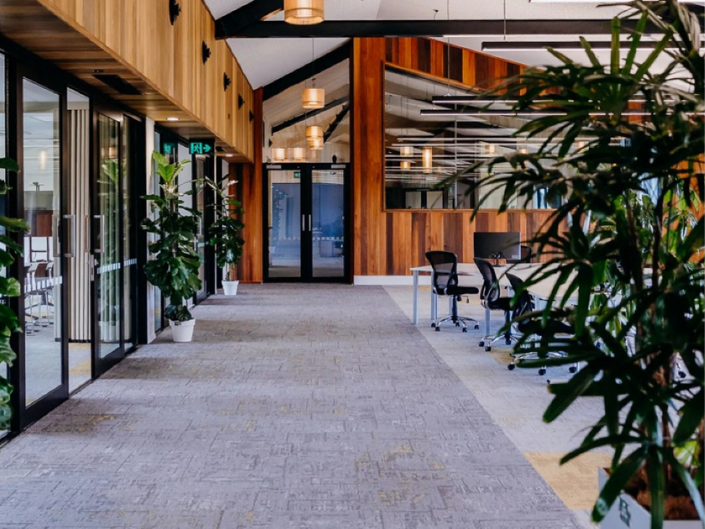
Mahinga Innovation Centre | Kaikohe
4. Built-In Community Drives Value
One of the key differences between coworking and traditional offices is the sense of community.
Coworking spaces bring together people from different industries, creating opportunities for collaboration, networking, and shared learning. This environment helps individuals feel more connected and supported in their work.
For many, this community aspect becomes one of the most valuable parts of the coworking experience.
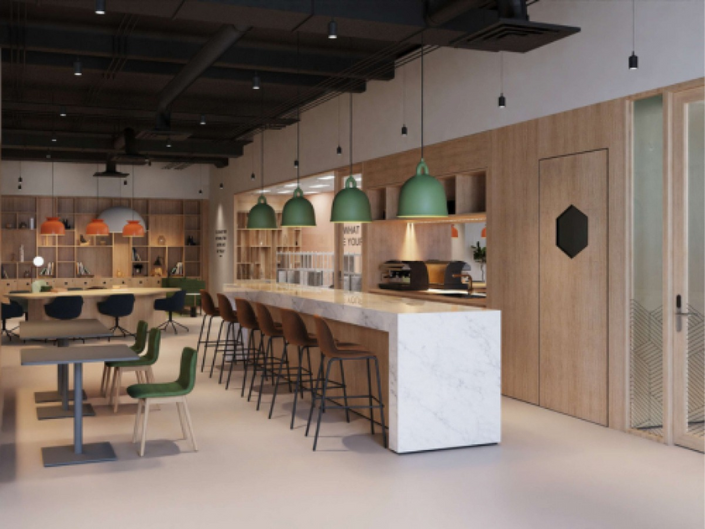
SPACES Coworking Albert Street | Auckland
5. Designed for Productivity and Wellbeing
Coworking spaces are intentionally designed to support how people work best.
From ergonomic furniture and natural light to quiet zones and breakout areas, these environments help reduce distractions and improve focus. They also create a clearer boundary between work and home, which supports better work-life balance.
This combination of productivity and well-being is a major reason why coworking continues to grow.
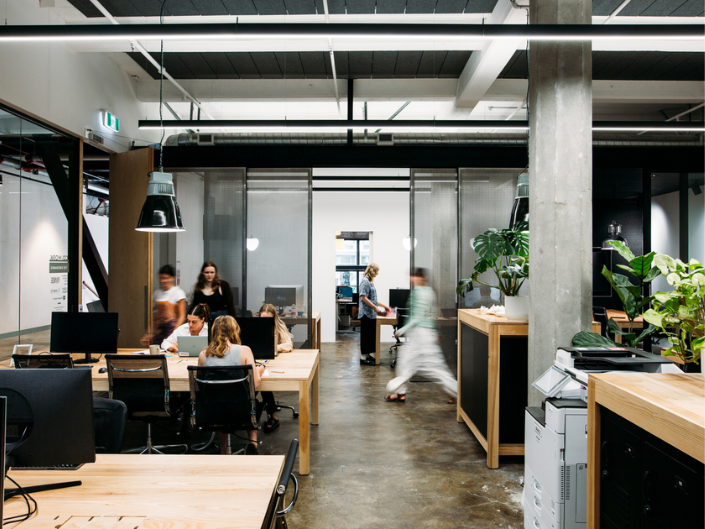
The Exchange Coworking | Wellington
6. Technology Is Enhancing the Experience
Modern coworking spaces are powered by technology.
High-speed internet, smart access systems, and seamless booking tools make it easy to work efficiently. Many spaces also offer virtual office services, allowing businesses to operate professionally without a fixed location.
As technology continues to evolve, coworking spaces are adapting alongside it, making them even more relevant for the future.
7. Sustainability Matters More Than Ever
Sustainability is becoming a priority for both individuals and businesses.
Coworking spaces support this by encouraging shared resources, reducing energy use, and often operating in repurposed buildings. By centralising workspaces and reducing the need for multiple private offices, they contribute to a lower environmental impact.
For values-driven businesses, this is an important consideration.
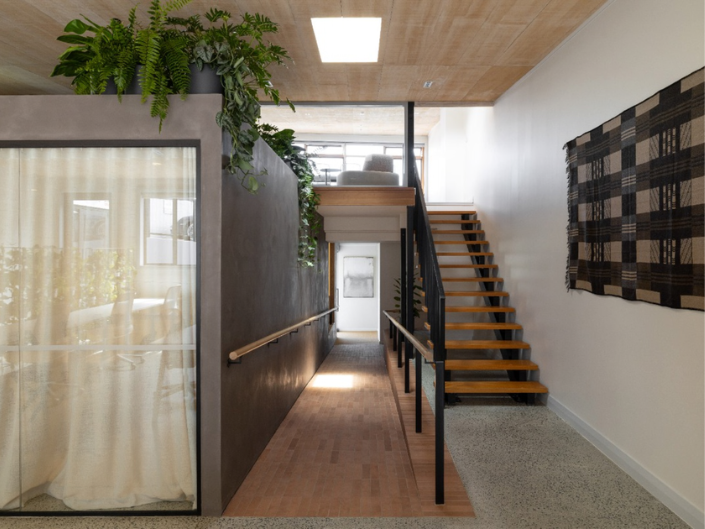
Boston Road Colab | Auckland
8. More Than Just a Workspace
Coworking spaces are not just places to work. They are hubs for activity.
From workshops and networking events to product launches and community gatherings, these spaces create opportunities beyond day-to-day tasks. This added layer of engagement makes coworking more dynamic and valuable over time.
9. Evolving With the Future of Work
Perhaps the strongest reason coworking is here to stay is its ability to evolve.
As work continues to change, coworking spaces are adapting in real time. From niche, industry-specific spaces to global coworking networks, the model is constantly shifting to meet new needs.
This adaptability ensures coworking will remain relevant well into the future.
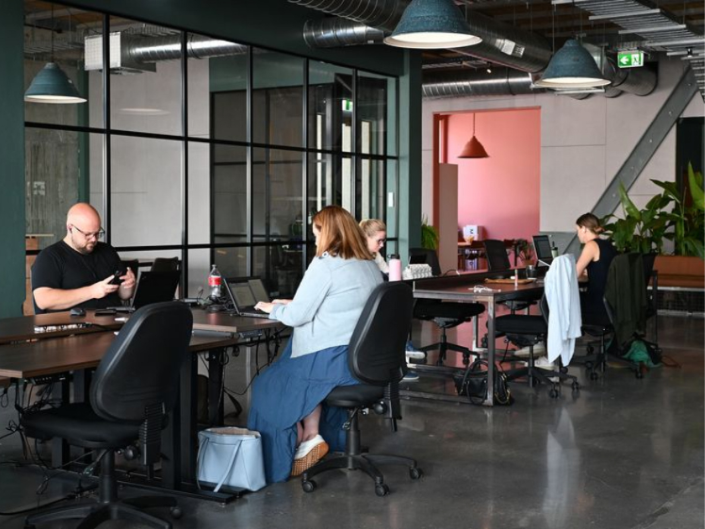
Manifold | Taranaki
FAQ: Why Coworking Is Here to Stay
Why is coworking becoming so popular?
Coworking aligns with modern work preferences, offering flexibility, affordability, and a sense of community.
Is coworking a long-term solution or just a trend?
It is a long-term shift. Coworking reflects broader changes in how people work, rather than a temporary trend.
Who benefits most from coworking spaces?
Freelancers, remote workers, startups, and businesses of all sizes benefit from the flexibility and resources coworking provides.
How does coworking support hybrid work?
It provides a professional space that employees can use when needed, without requiring a full-time office.
Are coworking spaces cost-effective?
Yes. They combine multiple costs into one membership, reducing overhead and improving flexibility.
Do coworking spaces improve productivity?
They can. Purpose-built environments help reduce distractions and support focus.
What role does technology play in coworking?
Technology enables seamless access, booking, and communication, making coworking more efficient and user-friendly.
Are coworking spaces environmentally friendly?
Many are. Shared resources and energy-efficient practices can reduce overall environmental impact.
Coworking Spaces Are the Future of Business
Coworking is not just keeping up with the future of work. It is helping define it.
By combining flexibility, community, and thoughtful design, coworking spaces offer a smarter way to work. They support productivity, well-being, and growth in a way that traditional offices often cannot.
As businesses and individuals continue to prioritise balance, adaptability, and connection, coworking will remain at the centre of how we work moving forward.
Enjoyed this article?
Check out Coworking vs. Office Lease.


Similar Blog Posts
-
26 Mar 2026
Discover Why More Professionals Are Choosing Flexible, Community-driven Coworking Spaces
-
26 Mar 2026
Discover How Coworking Spaces are Reshaping the Workplace
-
02 Mar 2026
Inspiring Spaces That Make Leaving Home Feel Like a Good Idea
-

17 Dec 2025
Your Guide to Staying Productive While Enjoying a Kiwi Summer
-
09 Dec 2025
A New Milestone in Flexible Work as HQ Arrives in Palmerston North